It’s a busy service. A customer takes a sip, pauses, then says, “That doesn’t taste right.” You know the beer. It’s a popular brand. It should taste exactly as expected. Yet the comment lands, and it’s not the first time you’ve heard it.
Situations like this are common in pubs and bars. When beer tastes off, it’s easy to assume the problem sits with the beer itself or something that happened before it arrived on site. After all, it came from the same brewery everyone else uses.
What often gets overlooked is what happens next. Draught beer can change once it leaves the brewery. Handling, storage, and dispense all influence how it tastes in the glass, even when everything looks fine behind the bar or in the cellar.
By the end of this post, you’ll understand:
- Why the same beer can taste better in one venue than another
- The most common reasons draught beer tastes flat or off
- What you can check immediately to improve beer taste
- The hidden factors that affect flavour after the beer leaves the brewery
The reassuring part is that most beer taste issues don’t require changing brands or suppliers. In many cases, improving flavour is about understanding what affects beer at dispense and taking control of the things you can influence.
Why Beer Doesn’t Always Taste as Good as It Should
If you’ve ever heard a customer say, “It tastes better somewhere else,” they’re probably right. The same beer, from the same brewery, can taste noticeably different depending on where it’s poured. That difference rarely comes down to chance.
Beer is more sensitive than most people realise once it leaves the brewery. Small changes in how it’s stored, handled, or dispensed can alter flavour, aroma, and carbonation. These changes don’t need to be dramatic to be noticeable. Even minor variations can shift how a beer tastes in the glass.
That’s why taste issues are rarely random. When a beer tastes flat, harsh, or just not quite right, there’s usually a reason behind it. The challenge is that those reasons aren’t always obvious. Everything can look fine on the surface, while small system or handling issues quietly influence the final pour.
This is also why two venues pouring the same beer can deliver very different experiences. One gets praise for quality and consistency. The other gets quiet complaints and half-finished pints. The difference often sits in the details that happen after the beer arrives on site, not in the beer itself.
Common Reasons Draught Beer Tastes “Off”
One of the most common causes of poor-tasting draught beer is incorrect cellar temperature. Beer that is stored or served too warm can taste dull, overly bitter, or unbalanced. If it’s too cold, flavour can be muted and carbonation can behave unpredictably. Even small temperature swings can affect how the beer presents in the glass.
Line cleaning is another frequent factor. When lines are cleaned irregularly or inconsistently, residue can build up and influence taste. This doesn’t always result in obvious faults, but it can introduce stale or unpleasant notes over time, especially in lower-volume lines.
Carbonation imbalance can also change how beer tastes. Too much CO₂ can make a beer feel sharp or gassy, while too little can leave it tasting flat and lifeless. These issues often appear gradually and may vary between pours rather than showing up as a clear, constant problem.
Gas-related inconsistencies are often overlooked. Changes in gas behaviour can affect how beer flows, how foam forms, and how flavour is released. When gas performance varies, taste and mouthfeel can vary with it.
Oxidation or poor handling at dispense can also play a role. Excessive agitation, splashing, or slow pours can introduce air and alter flavour. These are common challenges in busy service environments and don’t reflect poor practice, just the realities of day-to-day operation.
What You Can Do Immediately to Improve Beer Taste
Simple Checks That Make a Big Difference
Some improvements don’t require tools, technicians, or downtime. They come from tightening up the basics that directly affect how beer tastes at the point of dispense.
- Check glass cleanliness and storage
Glasses should be free from detergent residue, grease, and lipstick marks. Poorly cleaned or badly stored glassware can flatten flavour, kill foam, and make even good beer taste wrong. - Confirm temperature at dispense, not just in the cellar
Cellar temperature may be set correctly, but beer can warm up on its way to the tap. Use a thermometer at the point of dispense to make sure beer is leaving the system at the right temperature. - Watch for pouring inconsistencies between staff
Differences in pouring angle, speed, or tap handling can change carbonation and foam. A quick refresher with staff can help ensure every pint is poured the same way, even during busy service. - Look for obvious leaks or system irregularities
Hissing sounds, excessive foam, slow pours, or uneven flow can point to issues affecting beer quality. These are often early signs that something in the system needs attention.
Where these basics are already well managed and taste issues still persist, the cause is often less visible. Gas quality is one example. Variations in CO₂ can affect carbonation behaviour, mouthfeel, and flavour release, even when everything else appears correct.
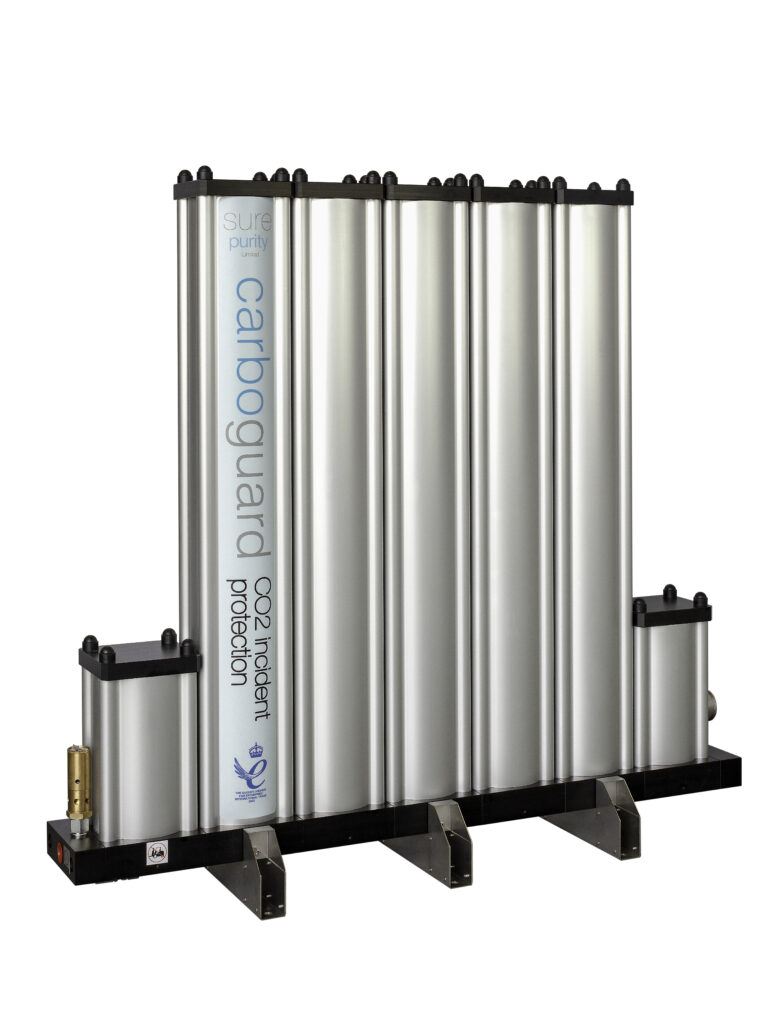
In many pubs and bars, solutions like Sure Purity’s Carboguard Mini are used to help stabilise CO₂ quality at the point of use. In craft-led venues with more complex setups, Carboguard Craft supports more consistent gas behaviour across different beers and service conditions. These systems don’t replace good cellar practice, but they can help remove one of the hidden variables that influences how beer tastes in the glass.
Why Clean Lines and Good Pouring Aren’t Always Enough
Many pubs and bars do everything they’re supposed to do. Lines are cleaned on schedule. Glassware is spotless. Staff are trained to pour correctly. Yet customers still comment that the beer doesn’t taste quite right.
This is where frustration often sets in. When the visible checks are in place and best practices are followed, it’s natural to feel like you’ve reached the limit of what you can control. Hygiene and pouring technique are essential, but they don’t account for every variable that affects how beer tastes at dispense.
Taste issues can persist because not all influences are easy to see. Some sit upstream of the tap and don’t show up as obvious faults. These hidden factors can subtly change flavour, carbonation, or mouthfeel without triggering clear warning signs.
This doesn’t mean standards are slipping or procedures are failing. It simply highlights that beer quality at dispense is influenced by more than just the parts of the system you interact with every day. Understanding those less visible factors is often the next step towards more consistent results.
The Role of CO₂ in How Beer Tastes
CO₂ plays a much bigger role in beer flavour than most people realise. It’s not just there to create bubbles. It directly affects how a beer tastes, smells, and feels when someone takes that first sip.
Carbon dioxide influences flavour release. The way CO₂ dissolves and breaks out of the beer changes how flavour compounds reach the palate. If CO₂ behaviour is inconsistent, the same beer can taste sharper, flatter, or less balanced from one pour to the next.
It also affects aroma. Aroma is a huge part of how we perceive taste. CO₂ helps carry aroma compounds out of the beer when it’s poured and when it’s drunk. Variations in CO₂ can mute aromas or cause them to release too aggressively, changing the overall experience.
Mouthfeel is closely linked to CO₂ as well. The size and release of bubbles influence how smooth, lively, or harsh a beer feels. Even when carbonation levels appear correct, changes in CO₂ quality can alter that sensation in subtle but noticeable ways.
What often gets missed is that beverage-grade CO₂ is not completely uniform. It meets safety and quality standards, but it can still vary in composition. These small variations are rarely visible and are easy to overlook, yet they can have a real impact at the point of dispense.
This is why CO₂ quality is best thought of as an overlooked factor, not a niche one. It sits quietly in the background, affecting every pour. We exist because this gap between compliance and consistency is real. By helping venues and producers better control CO₂ quality, they address one of the less visible influences on how beer actually tastes in the glass.
How Better CO₂ Control Improves Beer Taste Consistently
What Better CO₂ Control Delivers
When CO₂ quality is stable, beer becomes easier to manage and more predictable at dispense. Instead of chasing small issues, you start to see consistent results in the glass, shift after shift.
Better CO₂ control leads to a cleaner, more consistent taste. Flavour profiles stay closer to how the brewer intended, without unexpected sharpness, flatness, or imbalance creeping in over time. Customers notice this consistency, even if they can’t quite explain why the beer tastes better.
Aroma also improves. When CO₂ behaves consistently, aromas release in a more balanced way. Beers smell fresher and more inviting, which plays a big role in first impressions and overall enjoyment.
Mouthfeel becomes more reliable too. Beers feel smoother, better carbonated, and closer to their intended style. This is especially noticeable with lagers, session beers, and styles where balance and drinkability matter most.
All of this feeds into fewer complaints and less time spent troubleshooting. When beer tastes right more often, staff confidence improves and customer confidence follows. Over time, that consistency supports better repeat custom and a stronger reputation for quality.
Different venues need different levels of control. In pubs, bars, and restaurants, point-of-use solutions like Carboguard Mini are used to help stabilise CO₂ quality close to dispense.
In craft beer environments, where multiple beers and styles are served, Carboguard Craft supports more consistent results across varied setups
Larger venues or sites with more complex systems may use Carboguard to maintain stable CO₂ quality across higher volumes and multiple lines
The common outcome is the same: fewer variables, more control, and beer that tastes the way customers expect it to, every time.
A Practical Checklist to Keep Beer Tasting Its Best
Use this checklist as a quick reference to help maintain consistent beer quality at dispense. Small, regular checks make a noticeable difference over time.
- Stable cellar temperature
Keep beer stored within the recommended temperature range and avoid fluctuations that affect flavour and carbonation. - Correct gas pressure
Ensure gas pressure is set appropriately for the beer style and system to avoid flat or overly gassy pours. - Regular line cleaning
Clean lines on a consistent schedule and ensure cleaning is thorough across all taps, including lower-volume lines. - Consistent pouring practices
Make sure all staff follow the same pouring method to reduce variation between pints. - CO₂ quality review
Periodically review CO₂ as part of your dispense system, especially if taste issues persist despite good hygiene and handling.
Beer that tastes “off” is rarely down to one big mistake. More often, it’s the result of small, manageable factors adding up at dispense. The key is understanding where flavour can change after the beer leaves the brewery and taking control of the parts you can influence.
If you want to explore how CO₂ quality fits into your overall dispense setup, Sure Purity helps pubs, bars, and hospitality venues improve consistency by addressing one of the most overlooked variables in beer taste. Our approach focuses on prevention, stability, and helping beer taste the way it should, pint after pint. Contact us today to discover how we can help you.