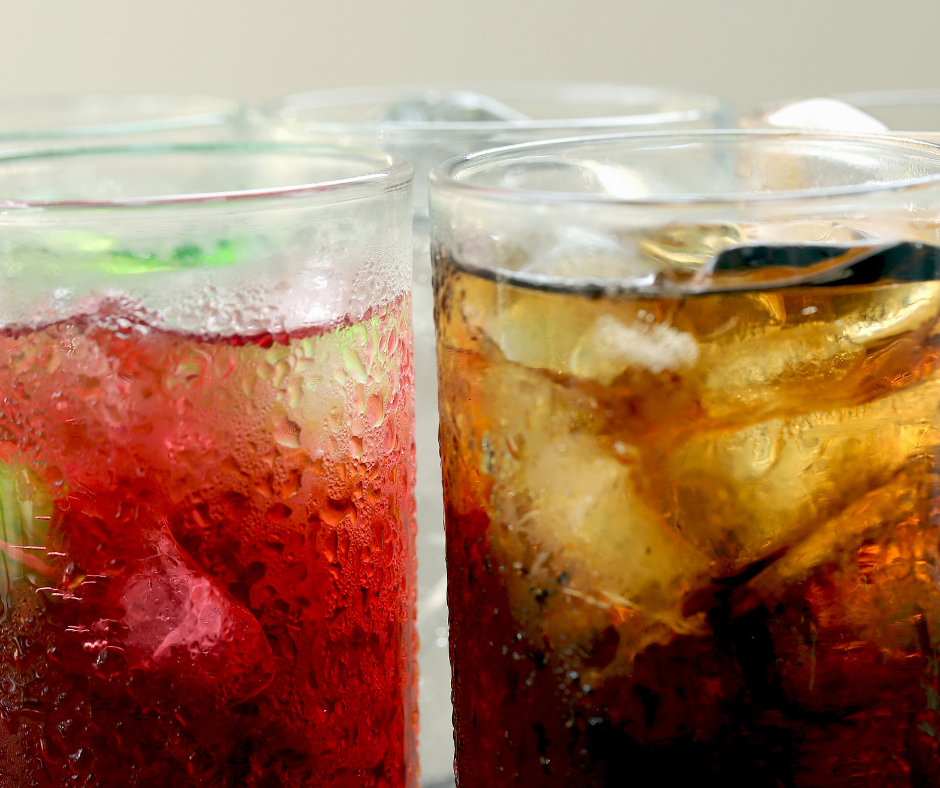
Is draught beer actually better than bottled beer, or is that just what we expect it to be? It’s a question many drinkers ask after tasting a great pint in one venue, then a disappointing one in another.
The truth is simple. Both draught and bottled beer have strengths, but they achieve quality in very different ways. Taste differences are real, yet they are not guaranteed. A perfect pint depends less on the beer itself and more on how it is stored, handled, and served.
Bottled beer is designed for consistency. Draught beer is designed for freshness and control. When everything works as it should, draught beer can taste exceptional. When it doesn’t, bottled beer often performs better by default.
In this guide, you’ll learn:
- How draught beer and bottled beer are produced and served
- Why draught beer quality varies more
- What really influences taste, carbonation, and freshness
By the end of this blog, you’ll understand what makes the difference, when draught beer shines, and why the system behind the beer matters as much as the beer itself.
How Draught Beer Is Served
Draught beer follows a live, on-site process. From the moment a keg arrives to the second the beer hits the glass, several variables shape the final result. When these are well controlled, draught beer can taste fresh, balanced, and vibrant. When they are not, quality drops quickly.
Keg storage
Kegs must be stored correctly from delivery. Poor handling or long storage times can affect freshness before the beer is ever connected.
Cooling
Beer should remain cold from cellar to tap. Inconsistent temperatures cause CO₂ to break out of solution, leading to flat or overly foamy pours.
CO₂ pressure
Gas pressure pushes beer through the system and keeps carbonation stable. Too little pressure causes flat beer. Too much creates harsh fizz and excessive foam.
Dispense
The beer passes through couplers, lines, taps, and fittings. Every component must be clean and balanced. Any issue along the route affects taste, aroma, and presentation.
This is why draught beer quality can vary from venue to venue. The beer is only as good as the system serving it.
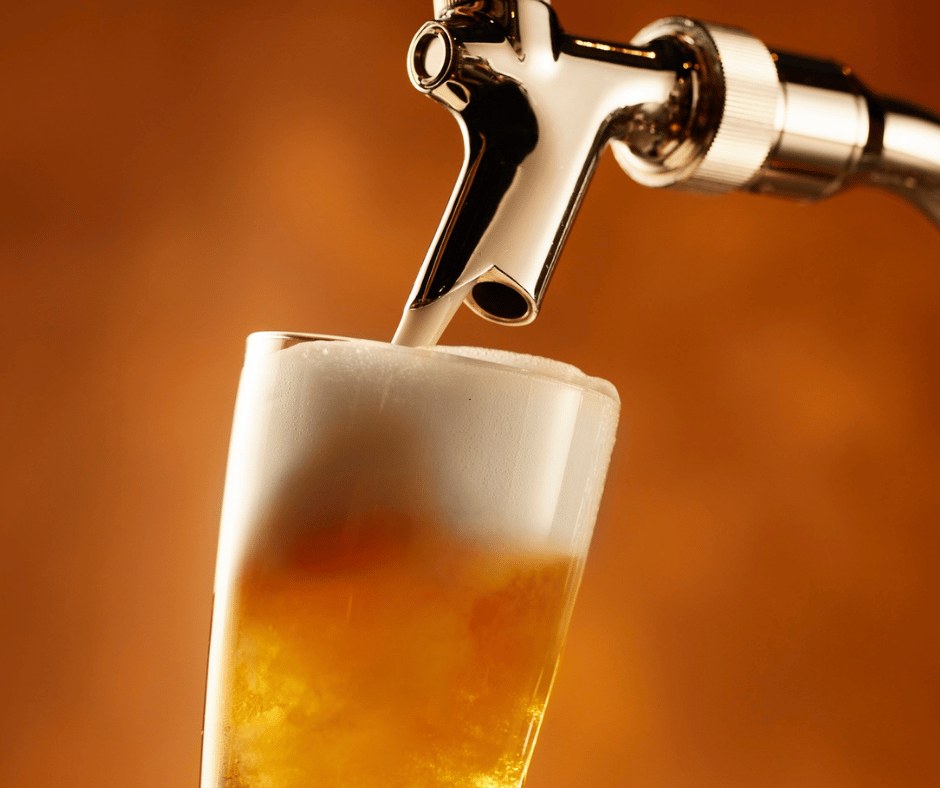
The Role of CO₂ in Draught Beer
CO₂ does far more than move beer from keg to glass. CO₂ dissolves into the beer, creating fizz and mouthfeel. Stable pressure keeps carbonation consistent throughout service. Clean, balanced CO₂ helps form tight bubbles and a stable head.
Poor gas quality or pressure breaks foam structure quickly. Carbonation releases aroma compounds as the beer is poured. When CO₂ behaves predictably, aroma feels brighter and more defined. Because CO₂ becomes part of the beer, its quality and consistency play a central role in how draught beer tastes, looks, and feels.
How Bottled Beer Is Produced and Packaged
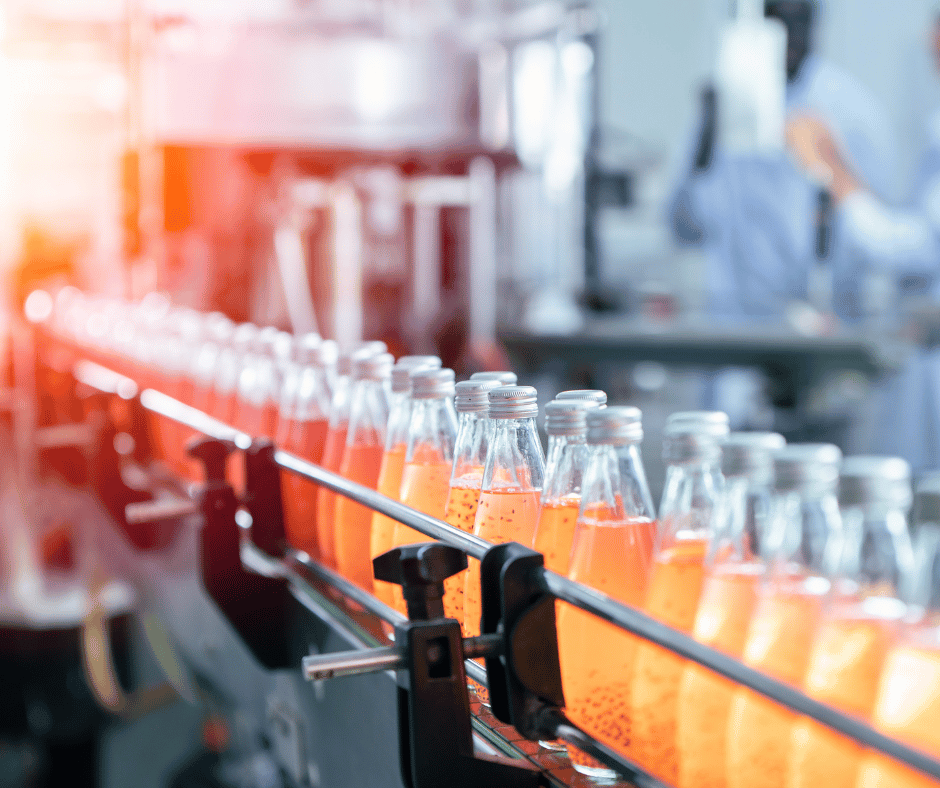
Bottled beer follows a very different journey from draught beer. Most of the variables that affect flavour, carbonation, and consistency are controlled at the brewery, not at the point of serve.
This is why bottled beer often tastes the same wherever you open it. Bottled beer is carbonated during production to a fixed level. Once sealed, that carbonation does not change. The beer cannot lose gas through pressure issues, warm cellars, or poor handling at the bar.
After filling, the bottle is sealed immediately. This creates a closed system that protects the beer from external contamination, air ingress, and gas quality changes. What leaves the brewery is what reaches the drinker.
Because carbonation and sealing happen under controlled conditions, bottled beer behaves predictably. Each bottle should pour, fizz, and taste the same.
Oxygen Control
Modern bottling lines are designed to minimise oxygen pickup. Brewers carefully manage oxygen during filling to protect flavour and shelf life.
Once sealed, the beer is not exposed to:
- Dirty dispense lines
- Inconsistent gas pressure
- Variable CO₂ quality
- On-site handling errors
This significantly lowers the risk of contamination during serving.
Why bottled beer is often more consistent
Bottled beer removes many of the variables found in draught systems. There are no gas lines, no regulators, and no on-site carbonation control. As a result, bottled beer usually delivers a more uniform experience, even if it does not always match the freshness or potential quality of a perfectly managed draught pour.

The Key Differences Between Draught Beer and Bottled Beer
While draught and bottled beer may start life in the same brewery, they reach the glass in very different ways. These differences affect freshness, carbonation, mouthfeel, foam, and aroma.
Draught beer
Freshness depends heavily on the system behind the bar. When keg storage, temperature, line hygiene, and gas quality are well managed, draught beer can taste extremely fresh. When they are not, beer can quickly lose its brightness or develop off-flavours.
Bottled beer
Freshness depends mainly on age and storage conditions. Bottled beer is sealed at the brewery, so its quality changes slowly over time. As long as it is stored correctly, it remains consistent until it reaches the drinker.
Carbonation and Mouthfeel
Draught beer
Carbonation can be adjusted through gas pressure and blends. This allows bars and breweries to fine-tune mouthfeel and texture for different beer styles. When done correctly, draught beer can feel livelier, softer, or creamier, depending on intent.
Bottled beer
Carbonation is fixed during packaging. The mouthfeel will be the same every time the bottle is opened. There is no opportunity for adjustment at the point of serve. Draught beer offers flexibility. Bottled beer offers predictability.
Foam and Aroma
Draught beer
When gas quality is clean and pressure is stable, draught beer can produce superior foam and aroma release. Proper carbonation helps lift aroma compounds and create a tighter, longer-lasting head.
Bottled beer
Foam is more predictable but often less expressive. The sealed environment limits variation, but it can also reduce the impact of aroma compared to a well-managed draught system.
This is where draught beer has higher potential. However, that potential is only realised when gas quality, dispense hygiene, and system control are all working together.
Benefits of Draught Beer vs Bottled Beer
Both draught and bottled beer offer clear advantages. Which one feels “better” often depends on what the drinker values most and how well the beer is handled before it reaches the glass.
Draught Beer Benefits
Draught beer has the potential to deliver a more engaging drinking experience when the system is well managed.
- Potentially fresher taste
Beer served from a clean, well-maintained draught system can taste bright and lively, especially soon after tapping a keg. - Better foam and aroma
Controlled carbonation and correct pressure can create tighter foam and improved aroma release, which enhances flavour perception. - Lower packaging waste
Kegs reduce the need for individual bottles or cans, lowering packaging waste and storage demands.
When everything is set up correctly, draught beer can showcase a beer exactly as the brewer intended.
Bottled Beer Benefits
Bottled beer trades flexibility for reliability.
- Consistency
Each bottle is sealed at the brewery with fixed carbonation, so the drinking experience is predictable from one bottle to the next. - Portability
Bottles are easy to transport, store, and serve without specialist equipment. - Reduced dispense variables
There are no beer lines, gas pressures, or dispense systems to manage at the point of serve.
For many drinkers, bottled beer feels more dependable because fewer things can go wrong between packaging and consumption.
Why Draught Beer Quality Varies More Than Bottled Beer
Draught beer introduces more variables than bottled beer, which explains why its quality can feel inconsistent from venue to venue.
Several factors influence how draught beer performs in the glass:
- Dirty beer lines
Residue, yeast, and biofilm can dull flavour, weaken aroma, and reduce foam stability. - Inconsistent pressure
Poorly set or fluctuating pressure can cause flat pours, excessive foam, or harsh carbonation. - Temperature variation
Warm storage or unstable cooling allows CO₂ to escape, leaving beer tasting soft or lifeless. - CO₂ contamination
Impurities in the gas supply can affect flavour, aroma, and carbonation behaviour, even when beer lines are clean.
Bottled beer removes many of these variables by design. It is sealed, carbonated, and protected in a controlled environment. Draught beer, by contrast, relies on the quality of the system behind the bar.
This is why draught beer can be exceptional in one venue and disappointing in another. The difference is rarely the beer itself. It is the process, hygiene, and gas quality used to serve it.
The Hidden Role of CO₂ Quality in Draught Beer
CO₂ is often treated as a utility that simply pushes beer from keg to tap. In reality, it becomes part of the beer itself. Its quality directly affects how the beer tastes, smells, and feels in the mouth.
What Happens When CO₂ Isn’t Clean
When CO₂ contains trace impurities, draught beer performance can suffer in subtle but noticeable ways.
- Flat beer
Contaminated gas can interfere with CO₂ absorption, causing carbonation to drop faster than expected. - Chemical or sulphurous aromas
Compounds such as carbonyl sulphide (COS) or hydrogen sulphide (H₂S) can introduce burnt, sulphur, or chemical notes that mask the beer’s natural aroma. - Weak foam
Impurities disrupt foam stability, leading to thin heads that collapse quickly and reduce aroma release.
These issues often appear even when pressure, temperature, and line cleaning seem correct. That is why CO₂ quality is frequently overlooked as the root cause.
Why Beverage-Grade CO₂ Isn’t Always Enough
Beverage-grade CO₂ must meet industry standards, but those standards still allow trace levels of contaminants. Gas can also degrade during transport, cylinder filling, or storage before it reaches the bar.
This means CO₂ can be fully compliant and still affect sensory quality at the point of dispense. The solution many venues now adopt is CO₂ polishing. This process removes trace impurities just before the gas enters the system, helping ensure the CO₂ interacting with the beer is clean and consistent.
How to Make Draught Beer Better Than Bottled Beer
Draught beer has higher potential than bottled beer, but that potential only shows when the system behind it is controlled. These practical steps help close the gap and push draught quality ahead.
Clean Beer Lines Regularly
Hygiene comes first. Regular line cleaning removes residue, yeast, and biofilm that dull flavour and weaken foam. Clean lines provide a neutral pathway for the beer and prevent avoidable faults.
Control Temperature and Pressure
Stability matters more than constant adjustment. Consistent cellar temperatures and correctly set pressure help CO₂ stay in solution. This protects carbonation, mouthfeel, and aroma from keg to glass.
Use Clean, Polished CO₂
Treat CO₂ as an ingredient, not just a service gas. Clean, polished CO₂ behaves more predictably and supports better flavour, stronger carbonation, and improved foam stability.
Using a CO₂ polishing system such as Carboguard Mini removes trace contaminants before they reach the beer. This helps draught beer deliver the freshness, texture, and aroma that many drinkers expect, and often assume only bottled beer can provide when consistency matters.
Best Practices for Consistently High-Quality Draught Beer
Delivering great draught beer every time relies on consistency. When systems, gas, and staff practices are aligned, draught beer can outperform bottled alternatives in flavour, aroma, and presentation.
- Scheduled line cleaning
Follow a regular cleaning schedule to prevent residue, yeast, and biofilm from affecting taste and foam. - Gas quality management
Monitor gas supply and treat CO₂ as a core part of beer quality, not just a utility. - CO₂ polishing
Removing trace contaminants helps protect flavour, carbonation stability, and foam retention at the point of dispense. - Equipment checks
Inspect regulators, couplers, and fittings to maintain stable pressure and prevent leaks or moisture ingress. - Staff training
Ensure teams understand why temperature, pressure, and hygiene matter, and how small changes affect the final pour.
These practices reduce variation and help draught beer perform as intended, shift after shift.
Final Thoughts
There is no single answer to whether draught beer or bottled beer is “better”. Each format has strengths, and both can deliver excellent results.
Bottled beer offers consistency by design. Draught beer offers higher potential, but only when the system behind it is properly controlled. Clean lines, stable temperature, correct pressure, and gas quality all play a role.
In many cases, CO₂ quality is the deciding factor. When gas is clean and consistent, draught beer can deliver superior freshness, foam, and aroma.
Discover how Sure Purity’s CO₂ polishing filters help bars and breweries deliver draught beer that consistently outperforms bottled alternatives. Find out more about our Carboguard rang below: